
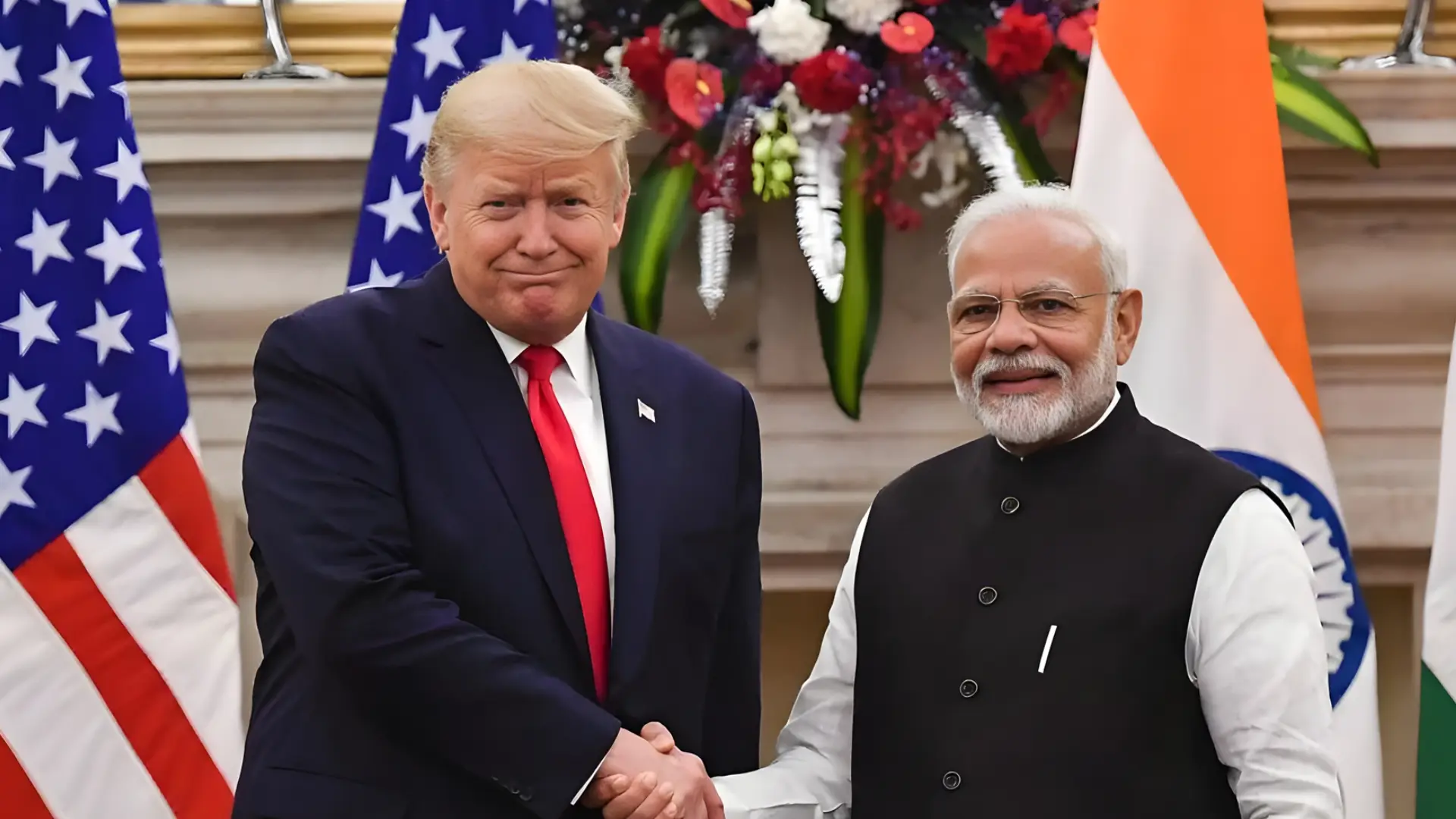
The United States and India have announced a new trade deal that lowers US tariffs on Indian goods to 18%, marking a sharp reduction from previous peak rates of around 50% on some exports. The agreement follows a phone call between Prime Minister Narendra Modi and US President Donald Trump and comes after months of friction over steep US duties tied in part to India’s purchases of Russian crude.
Under the accord, Washington will cut its “reciprocal” tariff on Indian imports from 25% to 18%, easing pressure on Indian manufacturers that had faced significantly higher costs accessing the US market. US officials and media reports indicate that the reduction also reflects the removal of an additional levy linked to Indian buying of Russian oil, bringing the overall effective rate on Indian exports down to 18%.
Modi publicly welcomed the move, saying in a post on X that he was “delighted” that “Made in India” products will now face an 18% tariff in the US and thanking Trump “on behalf of the 1.4 billion people of India.” He framed the decision as a boost for Indian producers and as a sign that cooperation between “two large economies and the world’s largest democracies” can unlock “immense opportunities for mutually beneficial cooperation.”
Trump announced the deal on his Truth Social platform, describing it as done “out of friendship and respect” for Modi and highlighting India’s pledge to move toward reducing its tariffs and non-tariff barriers on US goods to zero. He also linked the accord to a wider commitment from India to “buy American” at a much higher level, including more than $500 billion in future purchases of US energy, technology, agricultural, coal and other products. which is yet to be confirmed by the Indian Officials.However, Indian officials are yet to confirm this commitment.
The tariff cut is being characterized by officials and business groups as an “important and positive first step” in resetting the trade relationship after a period of heightened tensions. Early market commentary in India has pointed to the deal as a supportive signal for exporters and for the broader economic partnership between the two countries.