
India’s finance ministry has called an emergency-style session with senior executives from leading public and private banks to scrutinise cybersecurity vulnerabilities linked to Anthropic’s new AI system, Claude Mythos. Officials are focusing on how the model’s ability to autonomously identify and exploit software flaws at scale could affect payment networks and core banking systems.
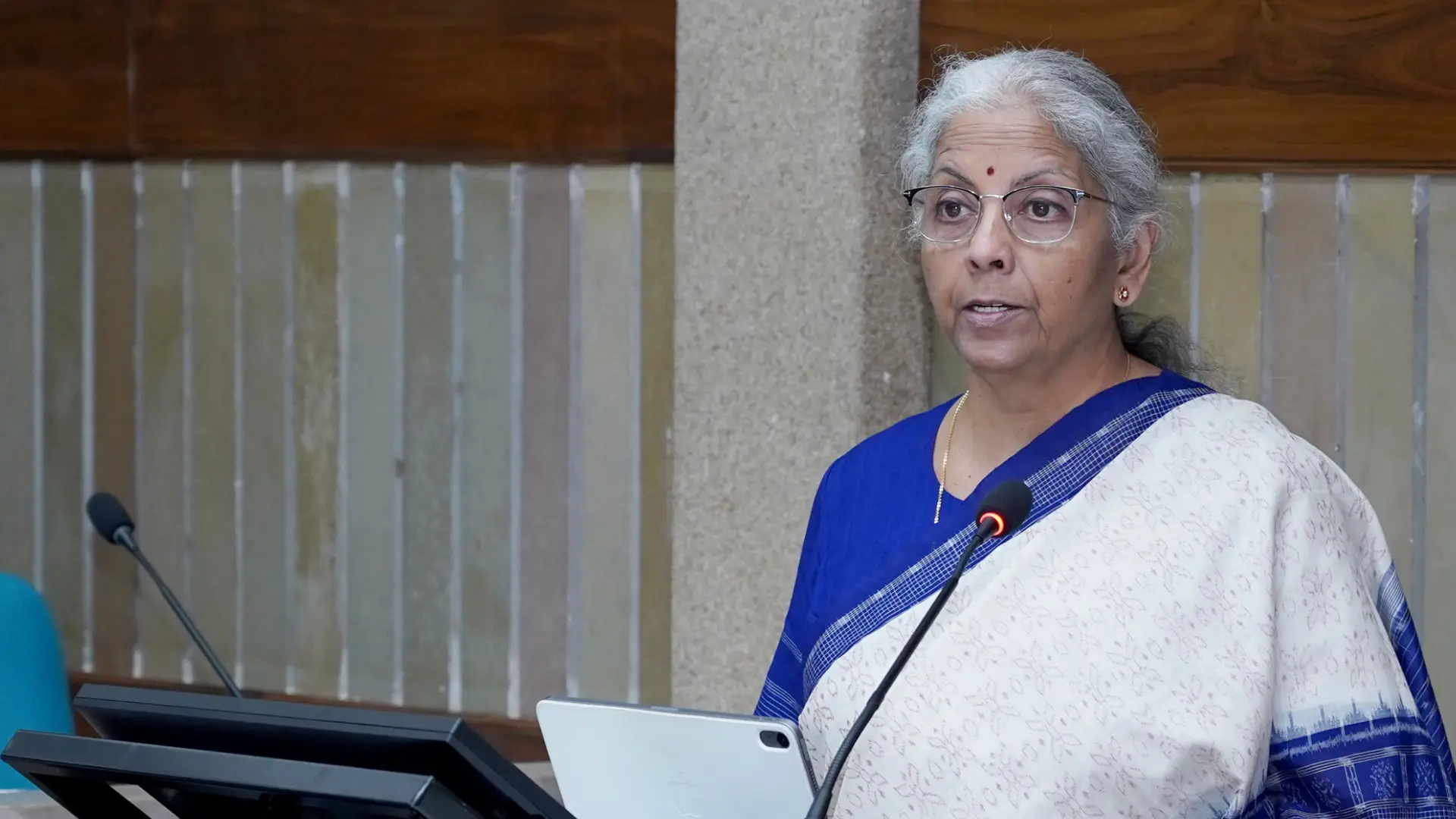
Finance Minister Nirmala Sitharaman is chairing the meeting, which is examining banks’ exposure across digital rails that underpin everyday transactions. Lenders have been asked to map potential weak points in payment systems and core infrastructure, including interfaces connecting multiple financial-services providers.
The review was triggered after reports that a small group of unauthorised users briefly accessed elements of the Mythos model. That incident has heightened anxiety among regulators and central banks worldwide about how such tools might be misused. India’s banking ecosystem is viewed as especially exposed because of the dense interlinkages between its IT platforms, which connect corporates, retail customers and third-party providers through systems like the Unified Payments Interface (UPI).
Authorities in the U.S., Canada and Britain have also engaged senior bankers to evaluate risks arising from Claude Mythos Preview, highlighting that concerns extend well beyond India. The Indian central bank is working with international regulators and domestic institutions to gauge how the technology might be repurposed by malicious actors to probe or disrupt critical nodes in the financial system.
In response, the finance ministry is pressing banks to immediately reinforce cyber defences. Priority measures include tightening access controls, strengthening authentication layers and intensifying monitoring for unusual activity, particularly around AI-related tools and developer environments.
Officials stress that the gathering forms part of a broader effort to align India’s prudential oversight and cybersecurity standards with the fast-evolving threat landscape created by highly capable, autonomous AI models. Rather than focusing solely on compliance, policymakers are seeking to understand operational risks across the full stack of banking technology.
The outcome of the session is expected to shape guidance on how Indian lenders should manage advanced AI within critical infrastructure, from core banking platforms to real-time payment systems. Coordination with global regulators will likely remain central as authorities test whether existing safeguards can withstand models like Claude Mythos, whose capabilities are still being evaluated but are already prompting a more urgent regulatory response.
Read Article: OpenAI Launches GPT-5.5 After Week of Leaks and Teasing