
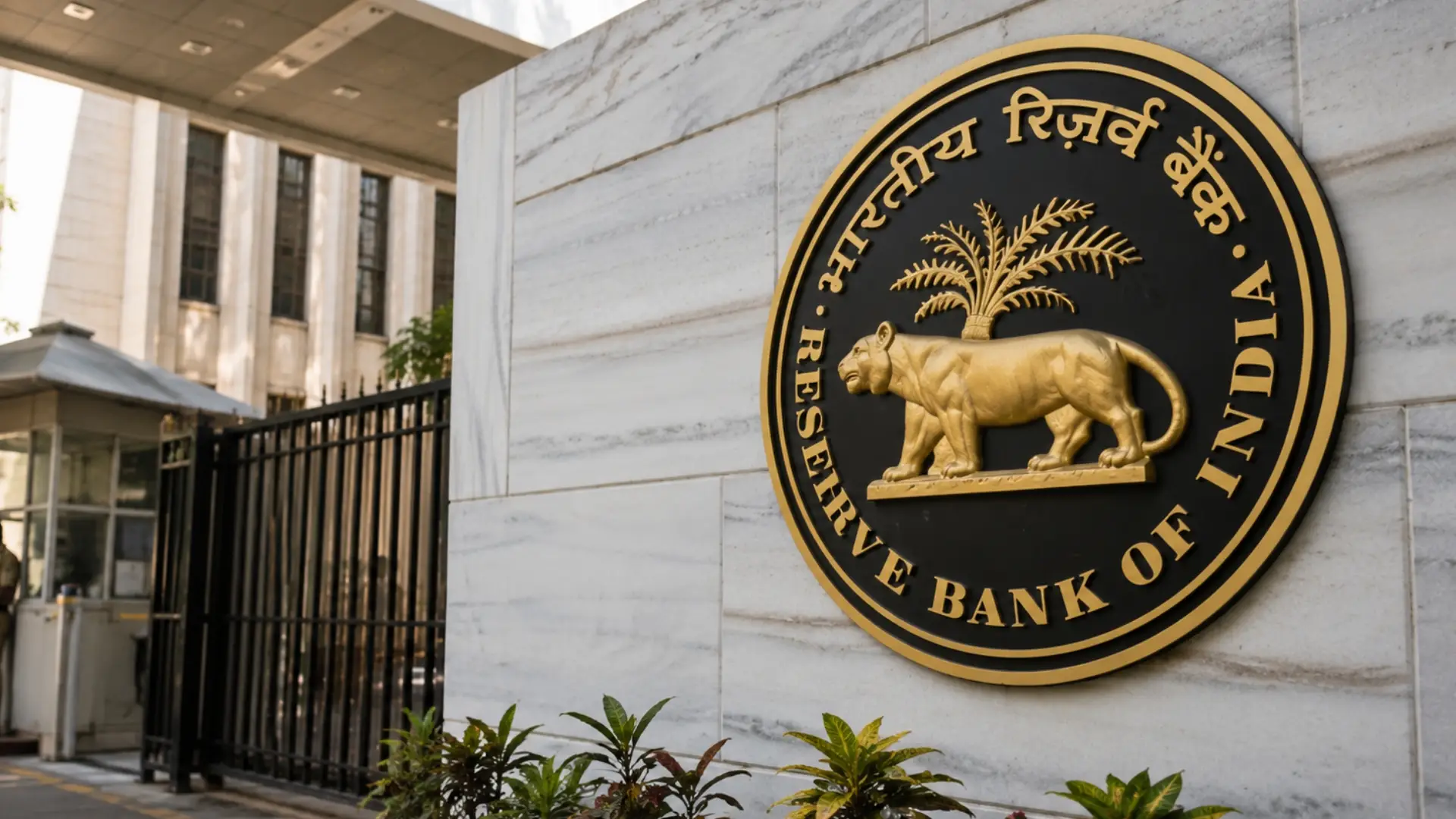
The Reserve Bank of India has raised investment limits for non-resident Indians and Overseas Citizens of India in equity instruments traded on Indian stock exchanges without SEBI registration, and extended the same facility to all individual persons resident outside India. The move is part of a broader effort to attract foreign capital into domestic markets.
RBI Governor Sanjay Malhotra announced the changes after the central bank’s Monetary Policy Committee meeting on June 5, saying the limits for NRIs and OCIs were being increased and that the same access would now apply to all individual PROIs. The announcement puts overseas individuals on par for this route, according to the RBI.
The package also includes wider measures to deepen foreign participation in Indian government securities. The RBI said all new issuances of 15-year, 30-year and 40-year government bonds will be included under the Fully Accessible Route, while restrictions on short-term investment, concentration and individual securities under the General Route are being removed.
The equity and bond market steps come alongside separate government measures announced the same day to deepen the G-Sec market and support foreign portfolio investment. The changes are intended to make Indian assets more accessible to overseas investors and support capital inflows.
Read Article: Anthropic urges global slowdown in frontier AI development