
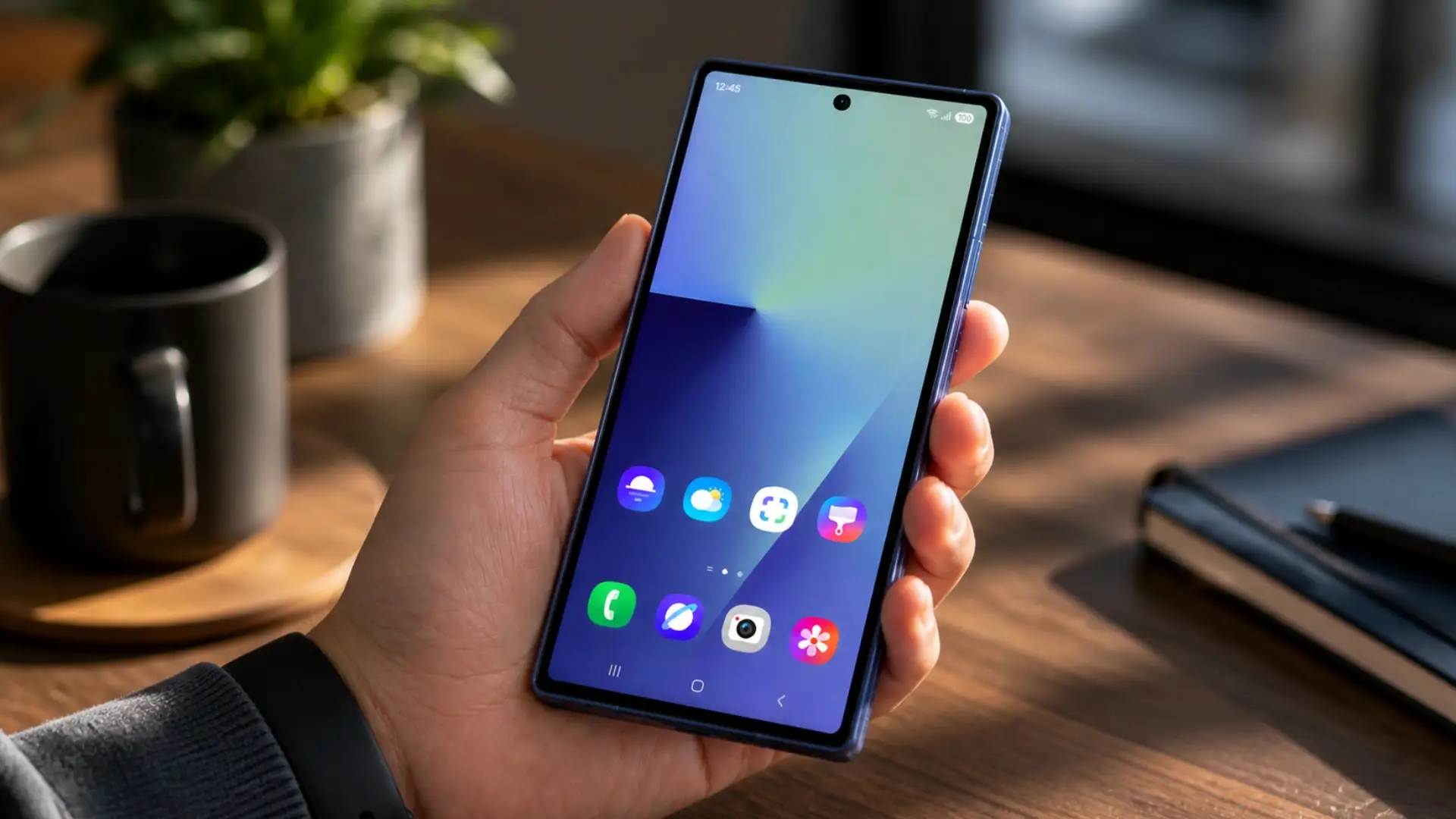
Mobile DRAM prices are set for their sharpest rise on record, with TrendForce projecting a 93-98% quarter-over-quarter increase in Q2 2026 following a 58-63% jump in Q1. Long-term supply agreements are now locking in rates near $21 per gigabyte, driven by AI data centers absorbing global capacity from suppliers like Samsung, SK Hynix, and Micron. This memory crunch has memory comprising up to 40-90% of bills of materials in lower-end devices, forcing manufacturers to rethink pricing and specs.
Samsung has moved fastest to pass on costs. The company raised U.S. prices across Galaxy phones and tablets in April, with hikes from $40 on the Galaxy S25 FE to $280 on the 1TB Galaxy Tab S11 Ultra, targeting higher-storage models hardest hit by the inflation. Mid-range Galaxy A and M series have also seen upward adjustments globally.
Apple’s response has been more measured but telling. The company accepted Samsung’s aggressive 100% LPDDR5X price hikes in negotiations, securing supply for upcoming models despite the shock. In its latest 10-Q, Apple flagged potential pricing actions amid component pressures, while Morgan Stanley forecasts over $100 increases across all iPhone 18 configurations to offset memory costs comprising up to 45% of BOM by 2027.
The fallout is grim for shipments. Morgan Stanley slashed its 2026 global smartphone forecast to 1.1 billion units, a 13% decline, while IDC and Counterpoint predict 12.9-13% drops to similar levels. Average selling prices could hit a record $523, up 7-14%, as brands prioritize premium segments and consumers delay upgrades.
“The speed at which the memory pricing has increased has shocked everybody,” said Gartner research director Ranjit Atwal. With shortages projected through mid-2027, stable smartphone pricing appears over.
Read Article: Alphabet Returns to Euro Debt Market With €3 Billion AI-Focused Bond Sale