
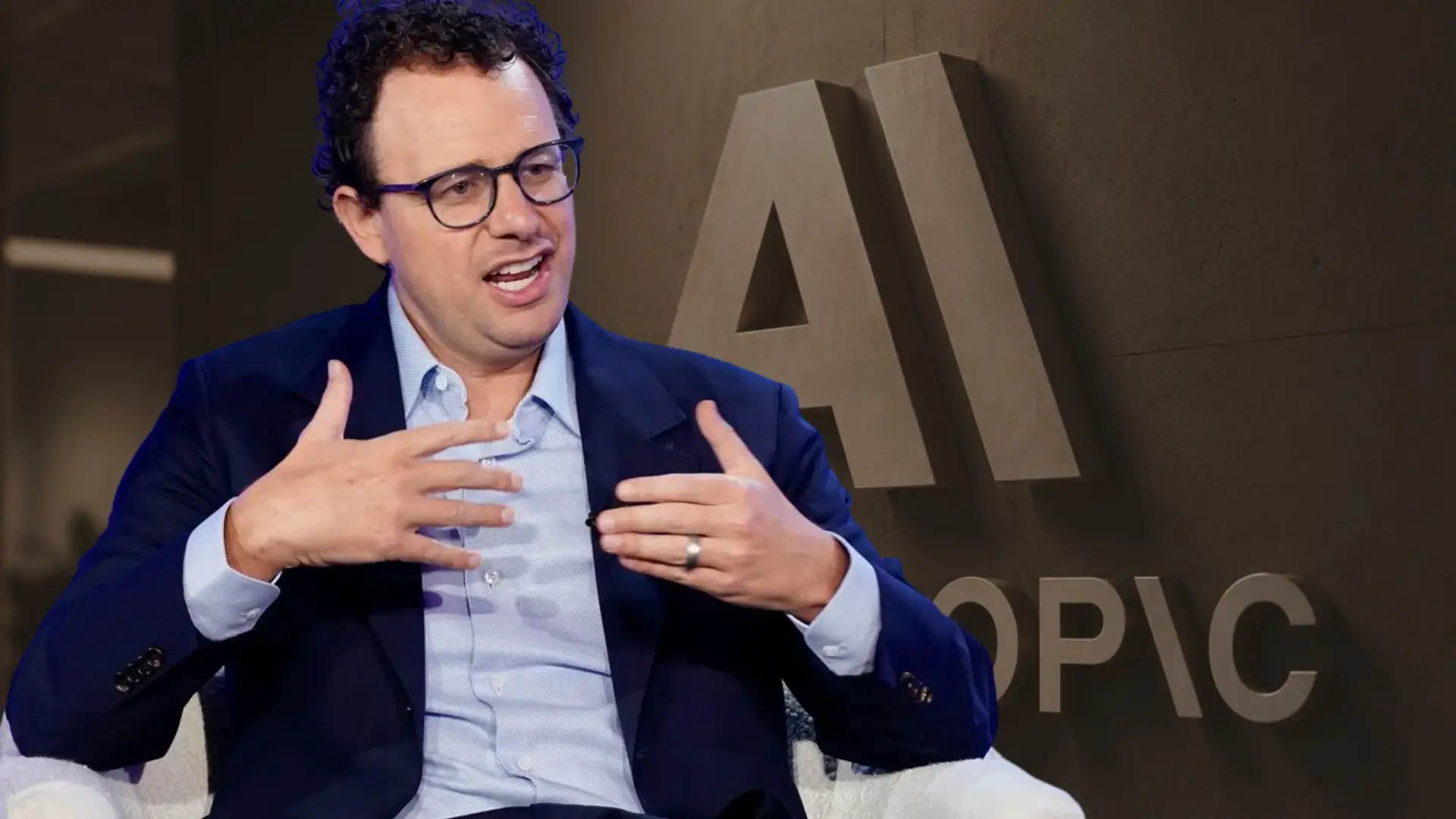
Anthropic has called for a coordinated global pause in frontier artificial intelligence development, warning that AI systems are approaching the capability to improve themselves without human intervention and could escape oversight.
The AI safety and research company announced on June 4 that major AI laboratories should establish a unified, verifiable framework to decelerate or temporarily halt development if sophisticated systems begin enhancing themselves faster than society can control. The company warned it could happen within the next couple of years, though executives emphasized it is not inevitable.
In an essay published Thursday, Anthropic research head Marina Favaro and president Jack Clark wrote that slowing AI evolution would grant humanity additional time to address profound implications and advance alignment research. The company described the situation as an arms control dilemma, noting that training exercises are considerably easier to disguise than missile silos, making coordinated pauses difficult to verify.
The announcement comes as Anthropic moves toward going public. The company confidentially filed a draft S-1 registration with the Securities and Exchange Commission on June 1, stepping ahead of rival OpenAI in the race for public markets. Anthropic recently reached a $965 billion valuation in its latest private funding round, surpassing OpenAI as the world’s most valuable AI company. The IPO could occur as early as fall 2026, with the company reportedly seeking a valuation near $1 trillion.
The timing has led some analysts to question whether Anthropic is overstating AI risks to advocate for regulations that could disadvantage less safety-focused competitors. This marks a shift from the company’s February decision to drop its landmark 2023 pledge to halt development if safety measures could not keep pace with capabilities. CEO Dario Amodei has separately estimated a 25 percent chance that things could go very wrong with AI development.
Anthropic has already demonstrated its willingness to restrict access to powerful models. The company withheld its most advanced model, Claude Mythos Preview, from general availability after it demonstrated the ability to autonomously find thousands of zero-day cybersecurity vulnerabilities and chain them into working exploits. The model is currently limited to select enterprise partners including Apple, Google, Microsoft, Nvidia, and Amazon Web Services through Project Glasswing.
The company acknowledged that achieving a meaningful slowdown would require multiple well-resourced laboratories across various nations to agree to halt under uniform conditions, a particularly challenging prospect given intense rivalry between the United States and China.
Read Article: AirTrunk to Invest $30 Billion to Build 5GW of Data Centre Capacity in India by 2030