
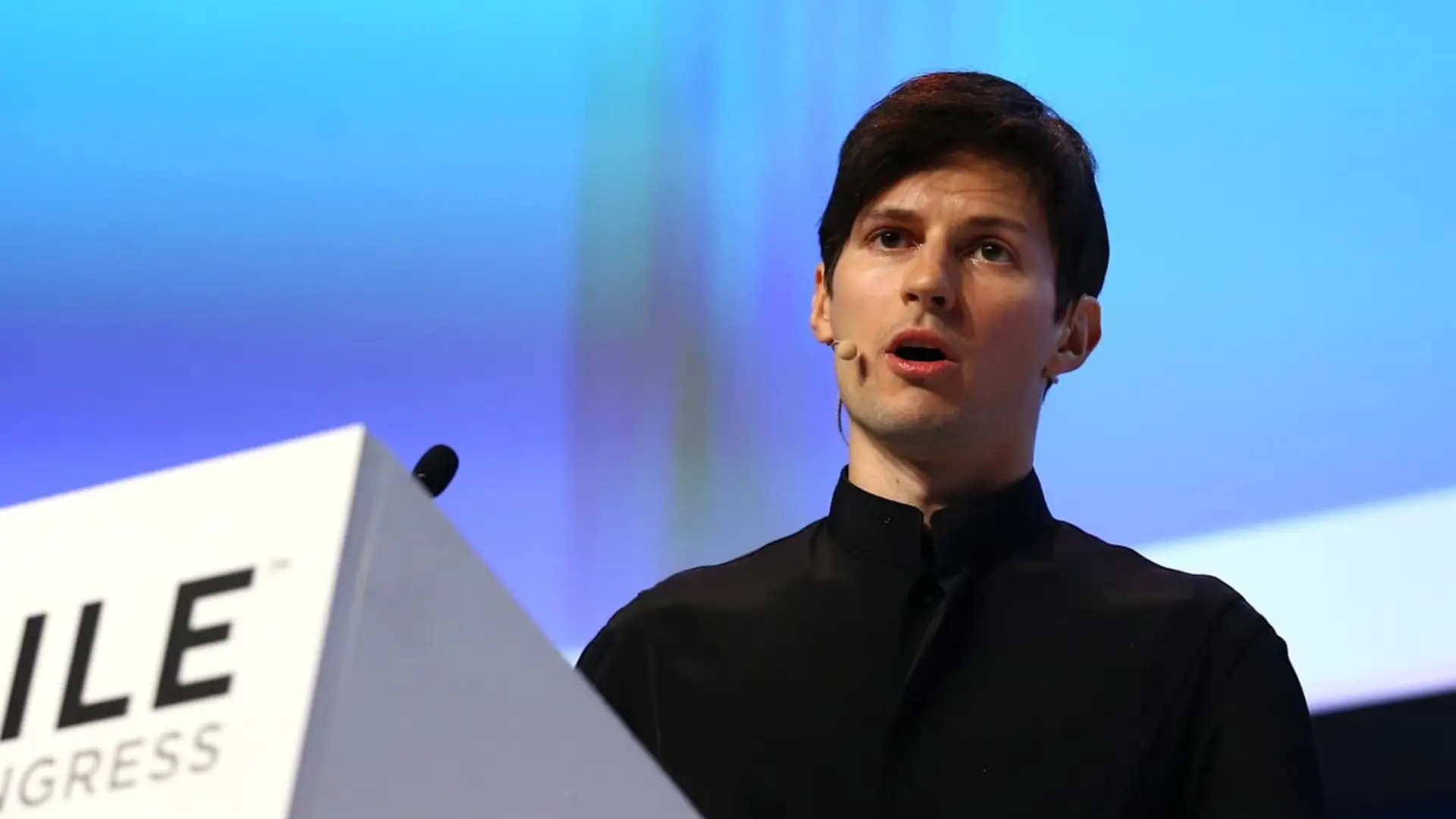
Telegram founder and CEO Pavel Durov has accused Indian telecom giant Reliance of deliberately sabotaging global access to the messaging platform through BGP hijacking, a routing exploit that redirected traffic away from millions of users outside India, including in the United Arab Emirates. The accusation emerged on June 16 on X, just days after India imposed a temporary ban on Telegram ahead of the national NEET-UG medical entrance exam.
BGP, or Border Gateway Protocol, is the routing protocol of the internet that exchanges routing and reachability information between autonomous systems (networks run by different operators). A BGP announcement is a message a network sends to advertise which IP address ranges it can reach and how to route traffic to them. This system allows internet traffic to find efficient paths across networks. When a false or unauthorized BGP announcement is made, it can misdirect traffic, which is what people mean by BGP hijacking or a route leak.
Durov alleged that Reliance ignored multiple reports of the routing misconduct and called on network operators worldwide to reject unauthorized BGP announcements from Reliance’s autonomous system AS18101. He suggested the sabotage could stem from a competitive conflict, noting that Meta holds a partial stake in Reliance Industries’ digital arm, Jio Platforms. Durov also speculated that Reliance or WhatsApp may have backed lobbying efforts to ban Telegram in India.
Industry experts quickly challenged Durov’s claims, pointing out a critical factual error. AS18101 belongs to Reliance Communications, an insolvent entity that manages subsea cable infrastructure, not to Reliance Jio, the consumer telecom arm where Meta invested. Reliance Communications operates independently from Reliance Industries, undermining Durov’s assertion that Meta’s stake in Jio motivated the alleged interference. Reliance Industries has not issued an official response to the allegations.
The accusations follow India’s enforcement of a Telegram ban until June 22, ordered by the Ministry of Electronics and Information Technology under Section 69A of the IT Act. The National Testing Agency recommended the block after discovering cheating networks using Telegram to sell leaked NEET-UG 2026 re-examination papers ahead of the June 21 test. Durov criticized the move as punishing 150 million ordinary Telegram users in India while failing to prevent leaks, which he said simply migrated to other apps.
The ban remains in effect as students prepare for the re-exam, while Telegram continues to operate normally in most countries outside India. Reliance Communications, the entity tied to AS18101, continues to manage its subsea infrastructure assets independently from Reliance Industries’ broader operations.
Read Article: MeitY, Industry Leaders Meet in Kochi to Chart AI Shift in India’s IT Services Sector