
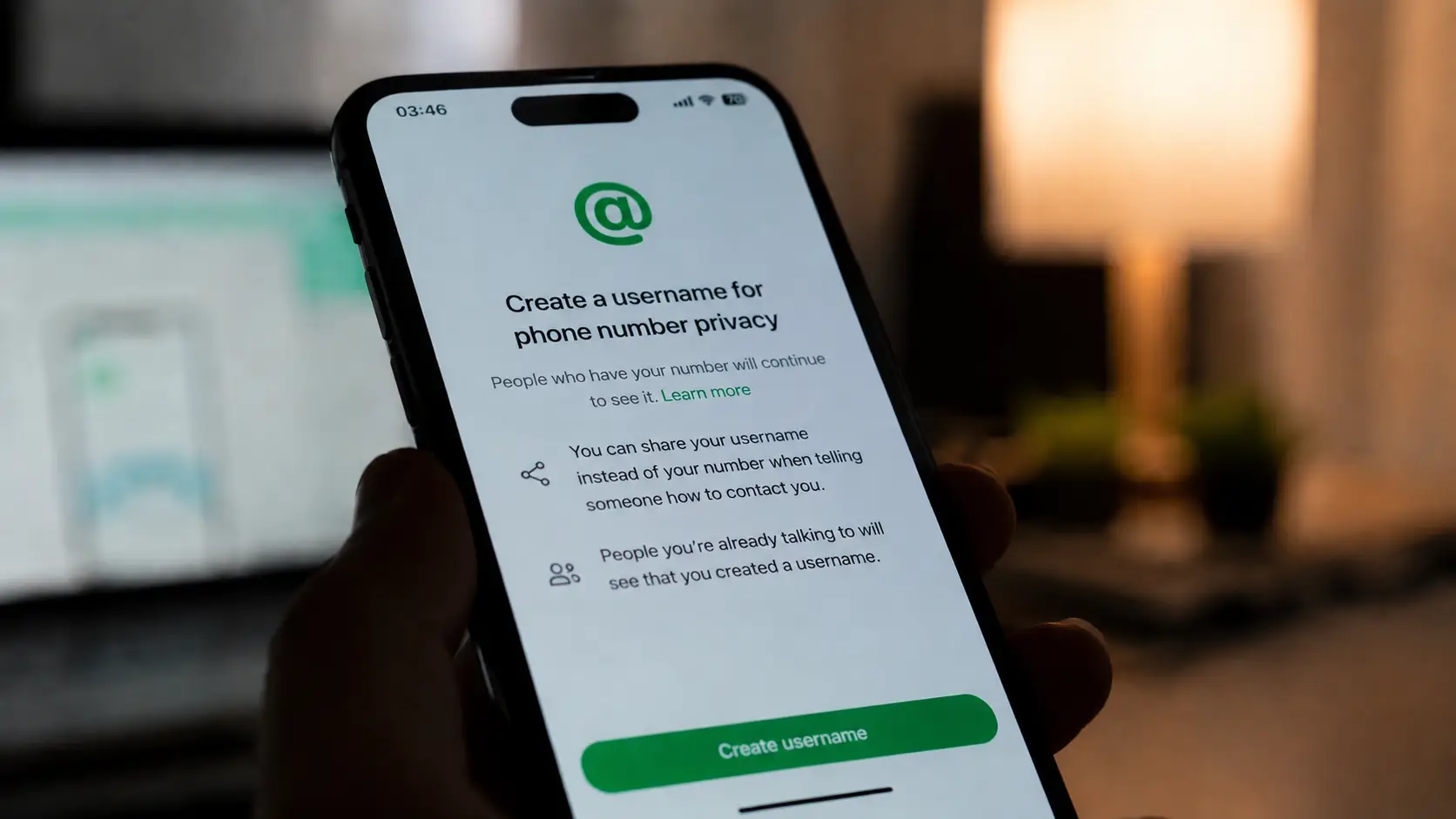
The Central government is examining legal options to regulate or potentially restrict WhatsApp’s upcoming usernames feature in India over concerns that it could increase the risk of impersonation, identity misuse, and online fraud.
According to government sources, officials are assessing whether the existing legal framework is adequate to address the potential misuse of the feature before it is rolled out in India. Authorities are also evaluating whether additional regulatory intervention may be required, as the feature will allow users to communicate using unique usernames instead of sharing their phone numbers, significantly changing the way people connect on the platform.
If the feature is found to pose significant risks to users or public safety, the government could issue a legal notice to Meta seeking detailed information about the safeguards built into the usernames feature, including the mechanisms designed to prevent impersonation, identity theft, fraudulent accounts, and other forms of online abuse. Officials are also exploring legal options that could regulate, delay, or even restrict the rollout of the feature in India if the company’s response and safety measures are found to be inadequate.
The government’s concerns primarily stem from the possibility that users could create usernames closely resembling those of government departments, businesses, public figures, financial institutions, or well-known brands. Officials believe such usernames could make it easier for fraudsters to impersonate legitimate entities, deceive users, and carry out phishing attempts, financial scams, and other forms of cyber fraud. They are evaluating whether the safeguards proposed by Meta are sufficient to prevent such misuse at scale.
WhatsApp recently introduced the usernames feature in beta, allowing users to connect without revealing their phone numbers. The feature is intended to enhance user privacy by enabling communication through usernames rather than mobile numbers. Meta has stated that the feature incorporates multiple safeguards to minimise the risk of impersonation and misuse, and is designed to strike a balance between improving user privacy and maintaining platform security. However, Indian authorities are reviewing these protections before the feature is introduced more widely in the country.
Read Article: Ford Brings Back 350 Engineers as AI Inspection Systems Fail to Match Human Expertise