
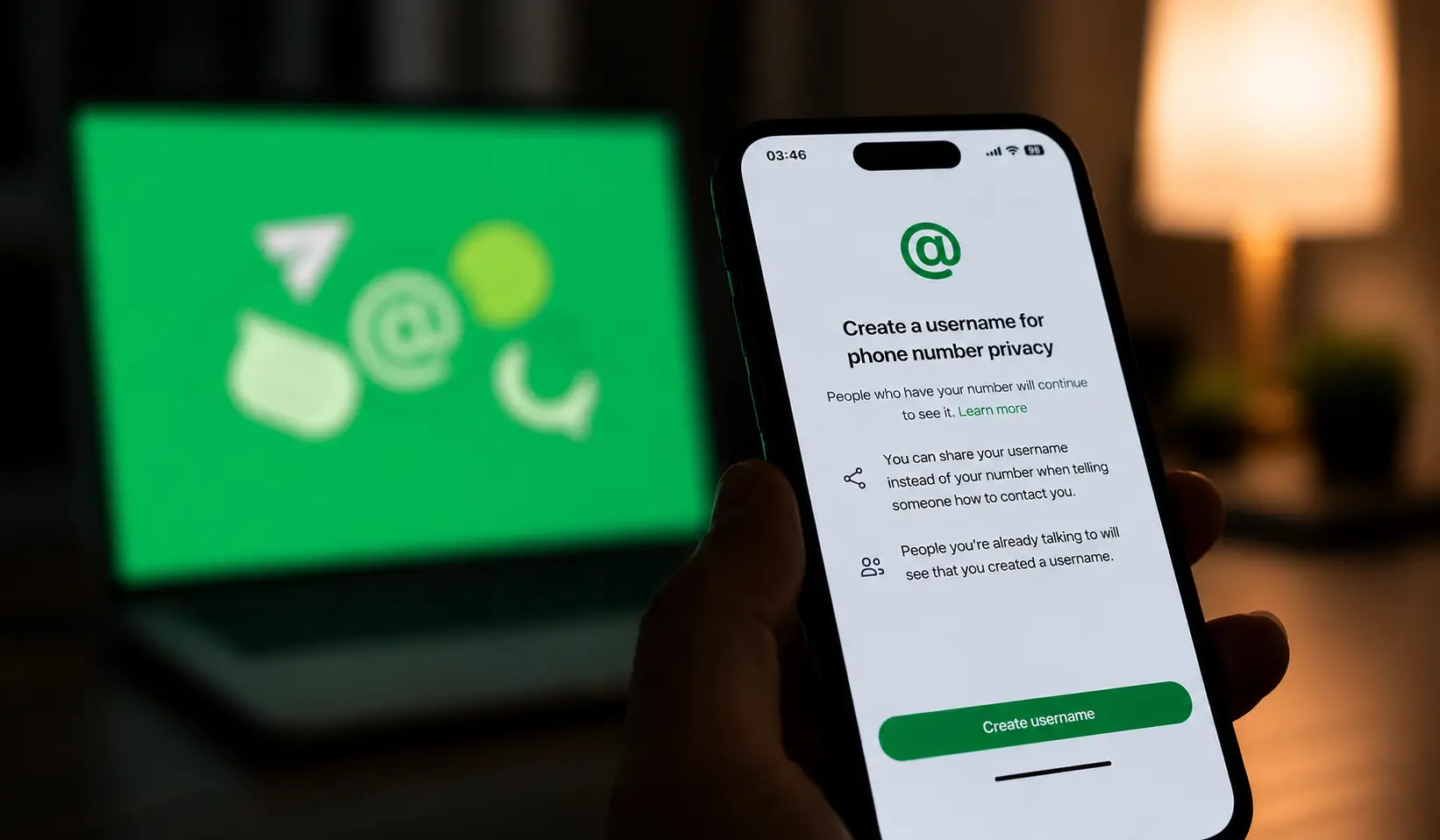
WhatsApp has responded to the Indian government’s notice over its planned username feature. The Ministry of Electronics and Information Technology (MeitY) is now reviewing the company’s reply before deciding whether the feature can be introduced in India.
Meta-owned WhatsApp has submitted its response to MeitY after the ministry raised concerns about the platform’s upcoming username feature. The company sent its reply on 9 July, the extended deadline given by the government after Meta asked for more time.
MeitY Secretary S. Krishnan confirmed that the ministry received WhatsApp’s response on the final day of the extended deadline. Officials are now examining the company’s explanation before taking a decision on the feature, which is expected to launch in India later. India is WhatsApp’s biggest market, with more than 500 million users.
The ministry first sent a notice to WhatsApp on 25 June. A few days later, on 29 June, the company announced that users would be able to reserve usernames before the feature is rolled out more widely later this year. The feature is meant to let people contact each other through unique usernames instead of sharing their phone numbers.
According to MeitY, the proposed feature could create new risks for online users. The ministry said it “may materially increase the incidence of online fraud, phishing, digital arrest scams and impersonation attacks” because people could contact others without revealing their phone numbers. It also raised concerns that usernames similar to those of individuals, public authorities, financial institutions and government agencies could be misused to impersonate them.
In its notice, MeitY asked WhatsApp to explain why action should not be taken under India’s IT laws. It also directed the company not to introduce the feature until its discussions with the government were completed to the ministry’s satisfaction.
WhatsApp was originally asked to submit its response by 3 July. However, Meta officials met MeitY representatives on that day and requested more time, after which the deadline was extended to 9 July. During the meeting, WhatsApp assured the ministry that it would not launch the username feature in India until the ongoing consultations were over.
The company also shared details of the safety measures planned for the feature. WhatsApp said there will not be a public directory of usernames, and users will need to know the exact username to start a conversation. It will also introduce an optional “username key” to add another layer of security. In addition, usernames will be reserved for public figures, government organisations and verified accounts to reduce the risk of impersonation.
WhatsApp said it also plans to limit the number of new users an account can contact, place restrictions on how often usernames can be changed, and use automated systems to identify and remove abusive activity.
The government’s review is part of a broader examination of username-based messaging services. MeitY has also issued notices to Telegram and Signal over their existing username features. The outcome of WhatsApp’s case could influence how similar features are regulated across messaging platforms in India.
Read Article: NPCI Plans Unified Agent Protocol to Enable Verified AI Agents for UPI Payments