
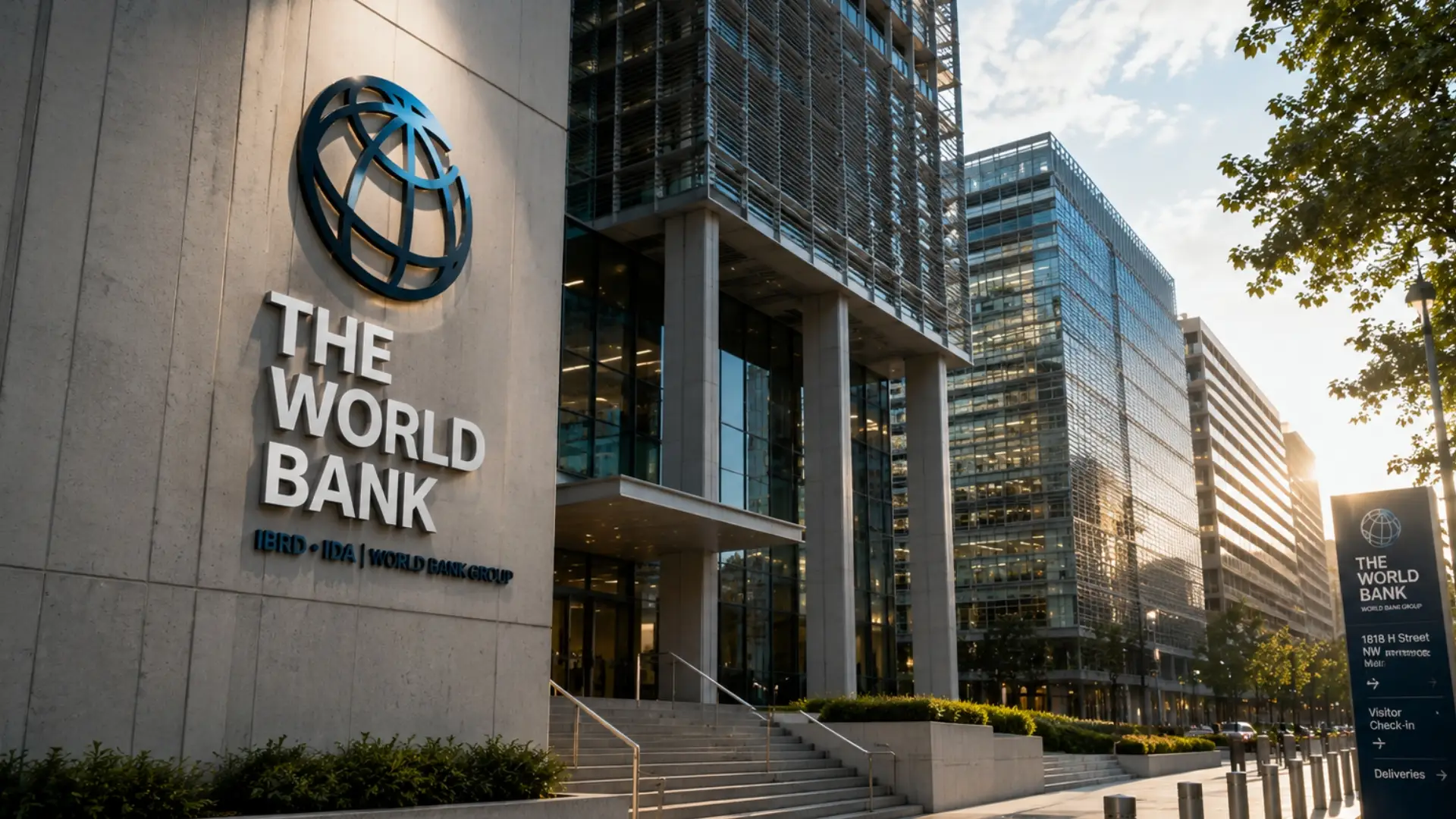
Twenty‑seven countries have moved to set up or activate emergency financing instruments linked to existing World Bank programs since the Iran‑linked Middle East conflict erupted on February 28, according to an internal World Bank document reviewed by Reuters. The push for rapid access to funds reflects deepening strain on public finances after the war disrupted energy markets and crimped trade flows across the region and beyond.
Among the 27, three have already approved new instruments, while the rest are still finalizing procedures to unlock contingent financing. Several governments, including Kenya and Iraq, have publicly signaled that they are seeking rapid financial support from the World Bank to cushion the impact of surging fuel costs and, in Iraq’s case, a sharp drop in oil revenue following the closure of the Strait of Hormuz.
The nations involved are part of a broader group of 101 that hold some form of pre‑arranged financing mechanism that can be triggered during crises. Of these, 54 have signed up to the World Bank’s Rapid Response Option, which allows eligible countries to draw up to 10 percent of their undisbursed financing through fast‑track processes. The bank’s crisis toolkit, approved in February 2024, is designed so governments can repurpose unused balances without launching full new loan programs.
World Bank President Ajay Banga has said the crisis‑preparedness framework could mobilize roughly 20 billion to 25 billion dollars in near‑term support, combining pre‑arranged contingent financing, existing project balances, and fast‑disbursing instruments. By reallocating portions of the bank’s portfolio over the coming months, the facility could reach about 60 billion dollars within six months, with longer‑term adjustments potentially lifting the ceiling to around 100 billion dollars.
Even as the queue of countries preparing instruments grows, formal uptake of the tools so far has remained relatively limited, officials note. The conflict has nonetheless forced the bank to downgrade its regional outlook, warning that growth in the Middle East and North Africa excluding Iran could slow from 4.0 percent in 2025 to 1.8 percent in 2026, a 2.4 percentage‑point revision from its earlier projections.
Read Article: DPIIT Unveils ₹33,660 Crore BHAVYA Scheme for 100 Industrial Parks to Boost Manufacturing