
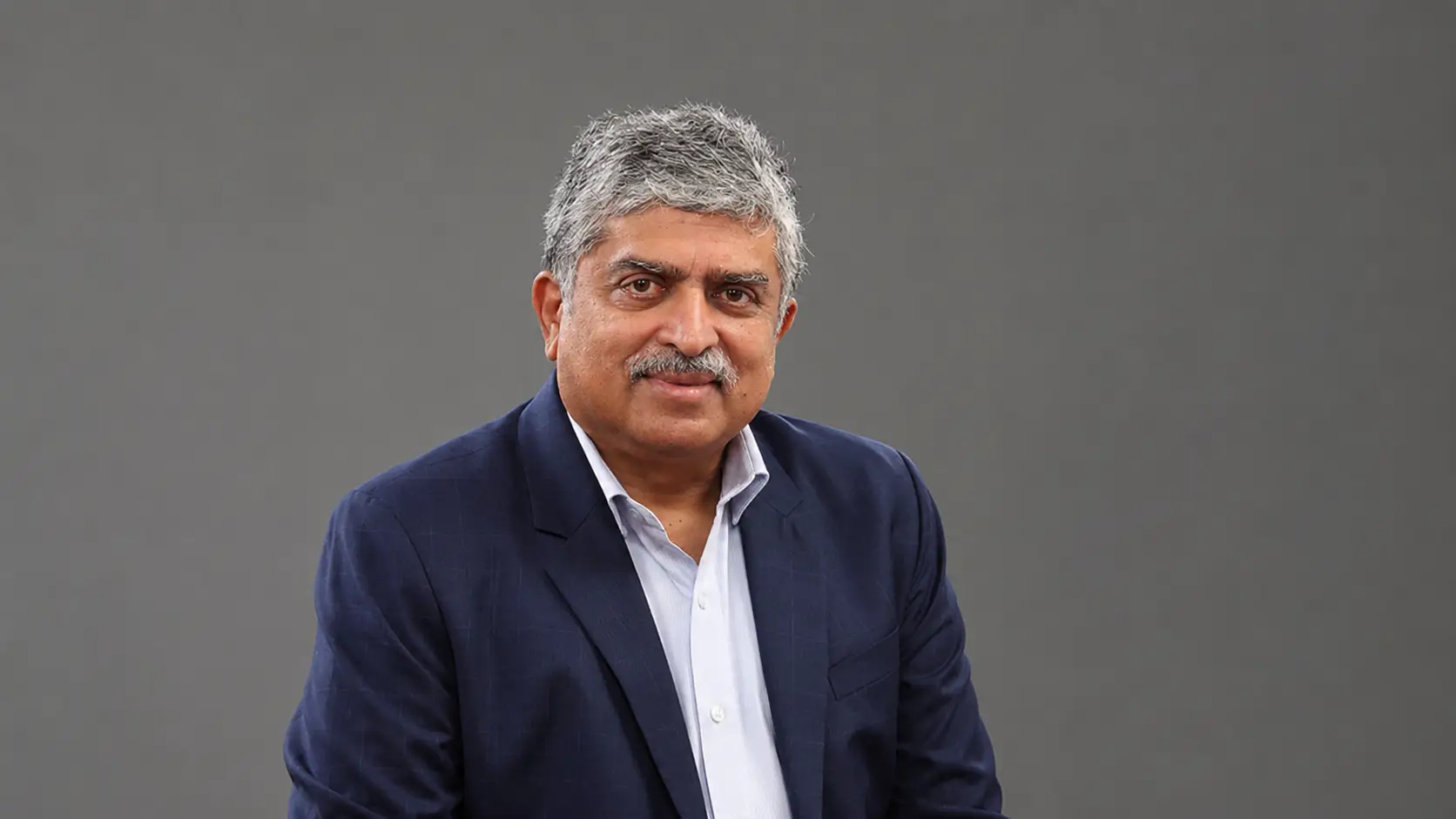
Prime Minister Narendra Modi has announced a high-powered task force headed by Infosys co-founder Nandan Nilekani to recommend reforms for India’s public examination system. The panel will focus on making examinations more secure, transparent, and reliable through the use of technology, following allegations of paper leaks and other examination-related irregularities.
Announcing the decision in a social media post and a video message, Modi said the government would implement the task force’s recommendations to strengthen the credibility of examinations conducted by the National Testing Agency (NTA).
“Our examination system should be trustworthy, should be transparent and the system should make maximum use of technology,” Modi said. He added, “Keeping all these factors in mind, we have decided to constitute a high-powered task force under the leadership of the world-renowned technology expert Nandan Nilekani. This task force will focus on examination reforms, and based on its report, steps will be taken to ensure the credibility of upcoming examinations at the earliest.”
The announcement came a day after the Centre reached an agreement with student protesters who had been demonstrating over the alleged NEET-UG 2026 paper leak and other examination-related issues.
The task force brings together experts from technology, education, intelligence, and public administration. Besides Nilekani, it includes former ISRO chairman S. Somanath, former Intelligence Bureau director Tapan Deka, IIT Madras director V. Kamakoti, former education secretary Anita Karwal, and logistics expert Amrit Lal Meena.
The panel has been tasked with recommending reforms to improve the transparency, security, and reliability of India’s public examination system. Its recommendations are expected to help strengthen safeguards against paper leaks and other examination-related fraud.
Nilekani is best known as the co-founder of Infosys and the founding chairman of the Unique Identification Authority of India (UIDAI), where he led the rollout of Aadhaar. His experience in building large-scale digital public infrastructure is seen as a key reason for his appointment.
Alongside the formation of the task force, Modi said the government would introduce new legislation in Parliament to strengthen action against examination fraud. The proposed measures are aimed at tightening existing laws and imposing tougher penalties on those involved in paper leak cases.
The Centre has already established dedicated fast-track courts under the Public Examinations (Prevention of Unfair Means) Act, 2024. It is also expected to introduce amendments in the Lok Sabha that would mandate fast-track courts in every state, require investigations to be completed within two months, and increase penalties to up to 10 years’ imprisonment and fines of ₹50 lakh for individuals convicted of examination-related offences. Organised paper leak rackets could face fines of up to ₹10 crore.
The task force marks the government’s latest effort to strengthen public trust in India’s examination system by combining technology with structural reforms.
Read Article: Samsung and Broadcom Sign AI Chip Partnership Worth Over US$200 Billion Through 2030