
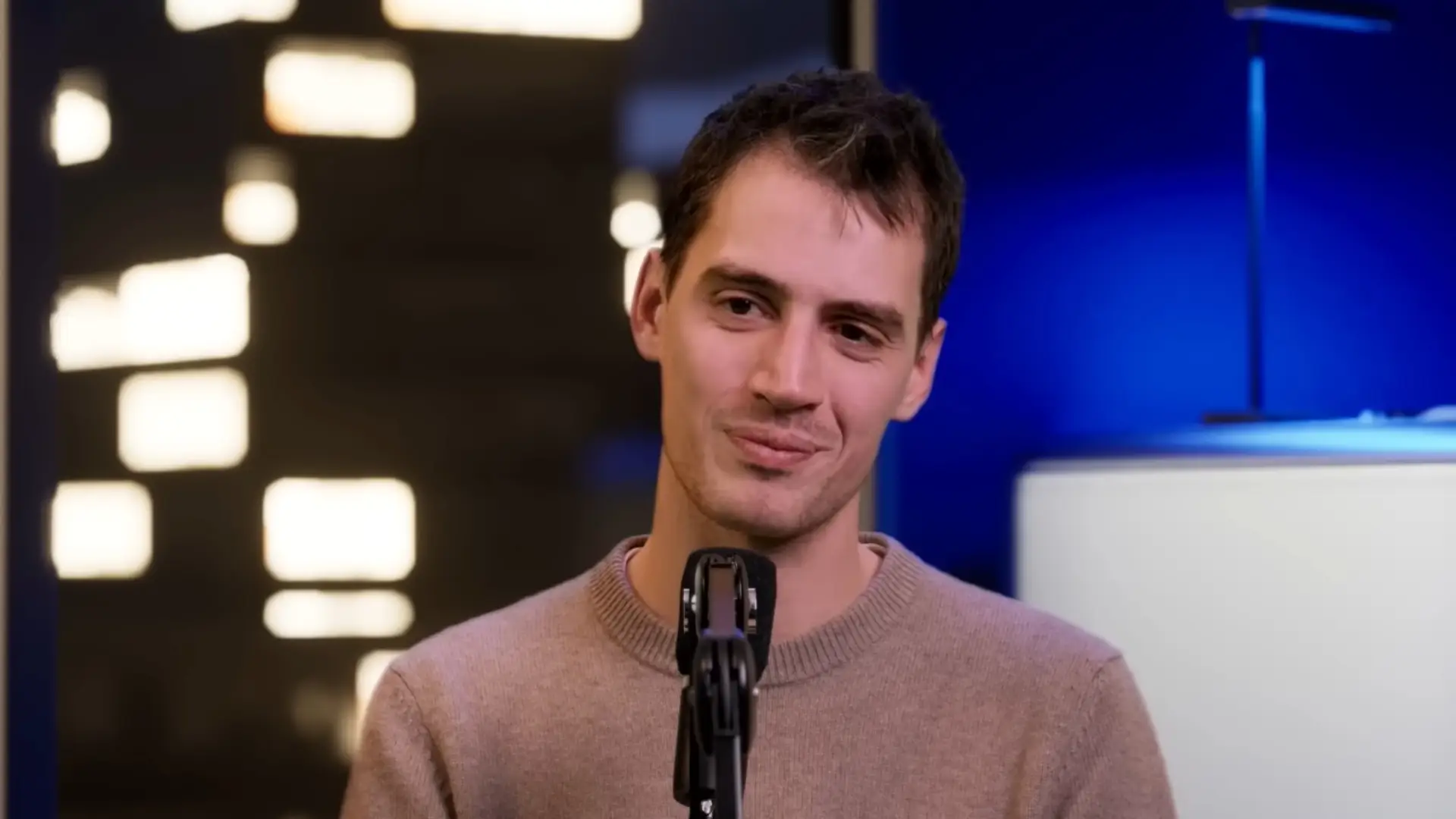
Paris-based AI startup Mistral is positioning itself as a sovereign alternative to American AI providers by reaffirming its commitment to open-source models, days after the U.S. government forced Anthropic to block access to its most advanced models for foreign nationals.
CEO Arthur Mensch posted on LinkedIn that Mistral exists to ensure everyone accesses the best AI systems outside centralized control by states or corporations. The company plans to release upcoming models with open weights, letting users own, inspect, audit, and run the technology on their own infrastructure, according to Sifted.
The statement comes after the U.S. Commerce Department sent Anthropic a directive on June 12 invoking export controls to bar all foreign nationals including Anthropic’s non-citizen employees working in the U.S. from accessing Fable 5 and Mythos 5 models. Anthropic disabled both models for all customers globally to ensure compliance.
The export control order represents one of the most assertive applications of export-control authority against a commercially available AI system. A legal analysis published by Verfassungsblog argued the directive shows citizenship now excludes foreign nationals from productivity and vital technology.
Mistral has raised €3.5 billion in total debt and equity financing and is building data centers across Europe to expand regional compute capacity. The company offers open-source models that customers can inspect, customize, and run on their own infrastructure rather than using closed-source offerings.
The U.S. ban may boost adoption of open-source models, including those from Chinese AI labs like DeepSeek and Moonshot AI, as users can download them and run them on their own computers or cloud networks. Other Claude models Opus, Sonnet, and Haiku remain accessible.
Read Article: Wipro Launches Applied AI Center in Bengaluru Focused on Anthropic’s Claude Models