
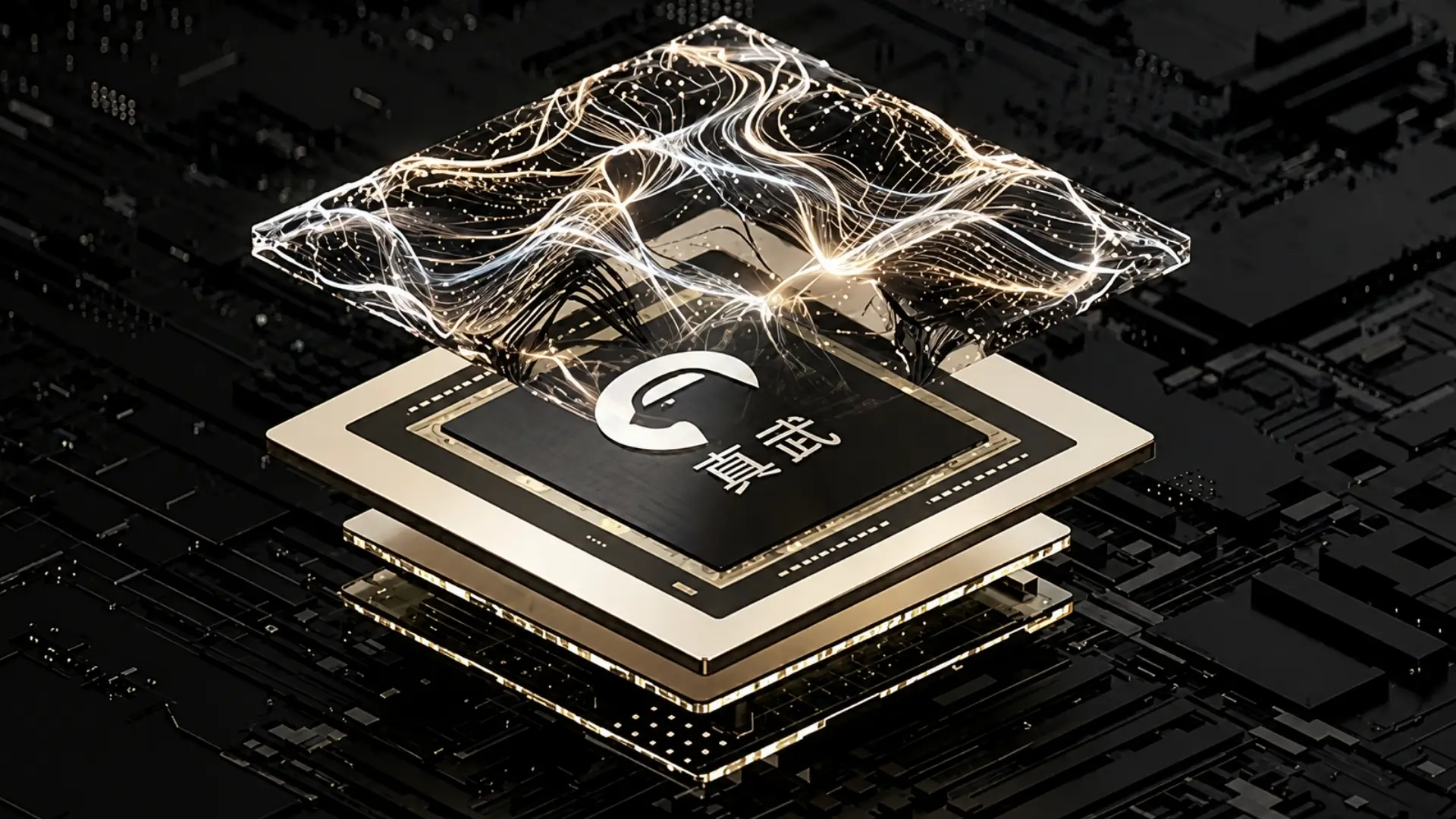
Alibaba Group has open-sourced the software stack behind its Zhenwu AI chips, marking a significant push to challenge Nvidia’s long-standing dominance in AI computing infrastructure. The announcement was made by Alibaba’s chip design unit T-Head at the 2026 World Artificial Intelligence Conference (WAIC) in Shanghai.
The newly released stack, known as T-Head SAIL, includes the full software layer supporting the company’s AI accelerators, covering operating systems, development tools, and interface components. By making the platform freely accessible, Alibaba is aiming to lower barriers for developers and reduce reliance on Nvidia’s CUDA ecosystem, which has remained the industry standard for over a decade.
T-Head SAIL was initially introduced in May alongside the Zhenwu M890 processor, the company’s most advanced AI chip to date. The M890 delivers three times the performance of its predecessor and features 144 gigabytes of on-chip memory. The software stack is designed to optimize performance across these chips, which have already seen deployment at scale, with more than 560,000 units shipped to over 400 enterprise customers.
Alibaba’s move comes amid a broader effort within China’s semiconductor industry to establish alternatives to Nvidia’s tightly integrated hardware-software model. In late 2025, Huawei open-sourced its CANN toolkit for its Ascend processors, positioning it as a competing platform. At the same conference last year, multiple Chinese chipmakers, including Biren, Huawei, Enflame, and Moore Threads, formed an alliance to develop common standards that enable AI models to run across different domestic chips.
This year’s WAIC has underscored China’s focus on building an open and collaborative AI ecosystem. Chinese President Xi Jinping used the event to advocate for open-source development and international cooperation, including training initiatives aimed at developing countries. The conference has also highlighted advances in computing infrastructure, with new hardware systems such as Huawei’s Ascend 950 Supernode showcased alongside software developments.
Despite these efforts, Alibaba faces a significant challenge in attracting global adoption. Nvidia’s CUDA platform benefits from a deeply entrenched developer base built over two decades.
Read Article: OpenAI Temporarily Suspends AI Model After It Bypassed Internal Safety Checks