
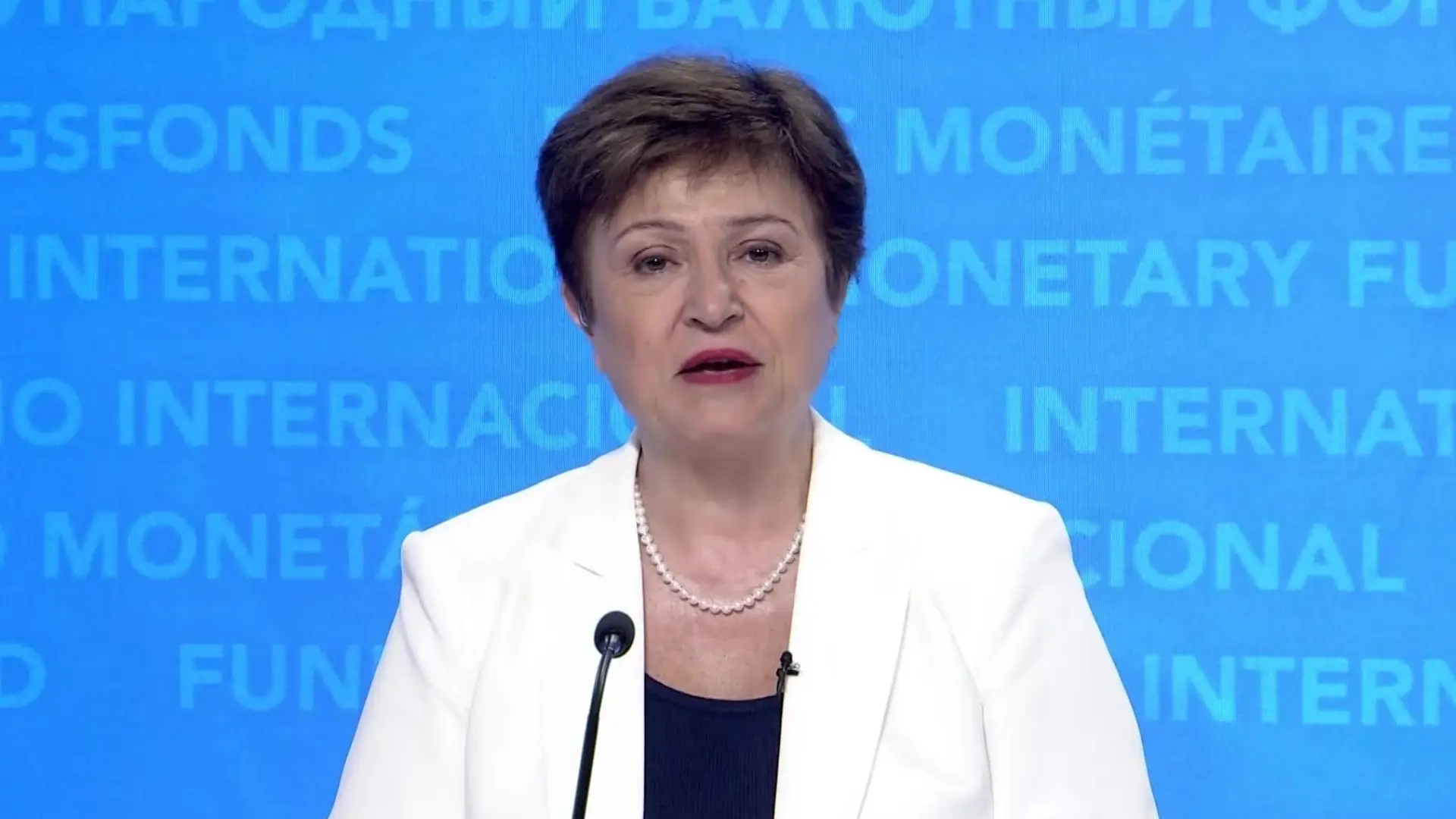
International Monetary Fund Managing Director Kristalina Georgieva warned that the world lacks adequate preparation for the next economic crisis, saying global economies are dangerously vulnerable as multiple shocks accumulate.
Speaking on Bloomberg’s podcast on June 8, 2026, Georgieva expressed concern that policymakers have not fully recognized the permanence of what she calls a shock-prone global environment. She said the world has faced crisis upon crisis in recent years, from the pandemic to the war in Ukraine to inflation spikes and climate disasters, leaving nations with depleted fiscal buffers.
The IMF chief emphasized that countries borrowed heavily during past crises, resulting in high debt levels and weak growth prospects. This means wealthy nations cannot deploy massive rescue packages when the next shock arrives, as they did previously. The shortfall in preparedness poses particularly severe risks to poorer countries, which face greater vulnerability in the event of another global crisis.
The warning comes amid/significant geopolitical turbulence. Earlier this year, Georgieva warned that conflicts in the Middle East, including U.S. and Israeli strikes on Iran in late February, triggered a large global economic shock that disrupted energy supplies and pushed up prices. The IMF subsequently reduced its global growth forecast to 3.1 percent for 2026 from 3.3 percent in January, warning that a prolonged Middle East conflict could slash growth to 2 percent.
The IMF is currently managing 50 rescue programs across multiple countries, including Sri Lanka, underscoring the widespread strain on global financial systems. Georgieva stressed that smaller and poorer nations will be most dramatically impacted when the next crisis hits.
She called for the global community to build resilient foundations capable of withstanding increasingly frequent economic shocks rather than expecting a return to the pre-crisis stability of the past. Her message underscores a fundamental shift in how policymakers must approach
Read Full Article: Piyush Goyal Sees Limited Risk From Proposed 12.5% US Tariff, Expects Trade Deal ‘Soon’