
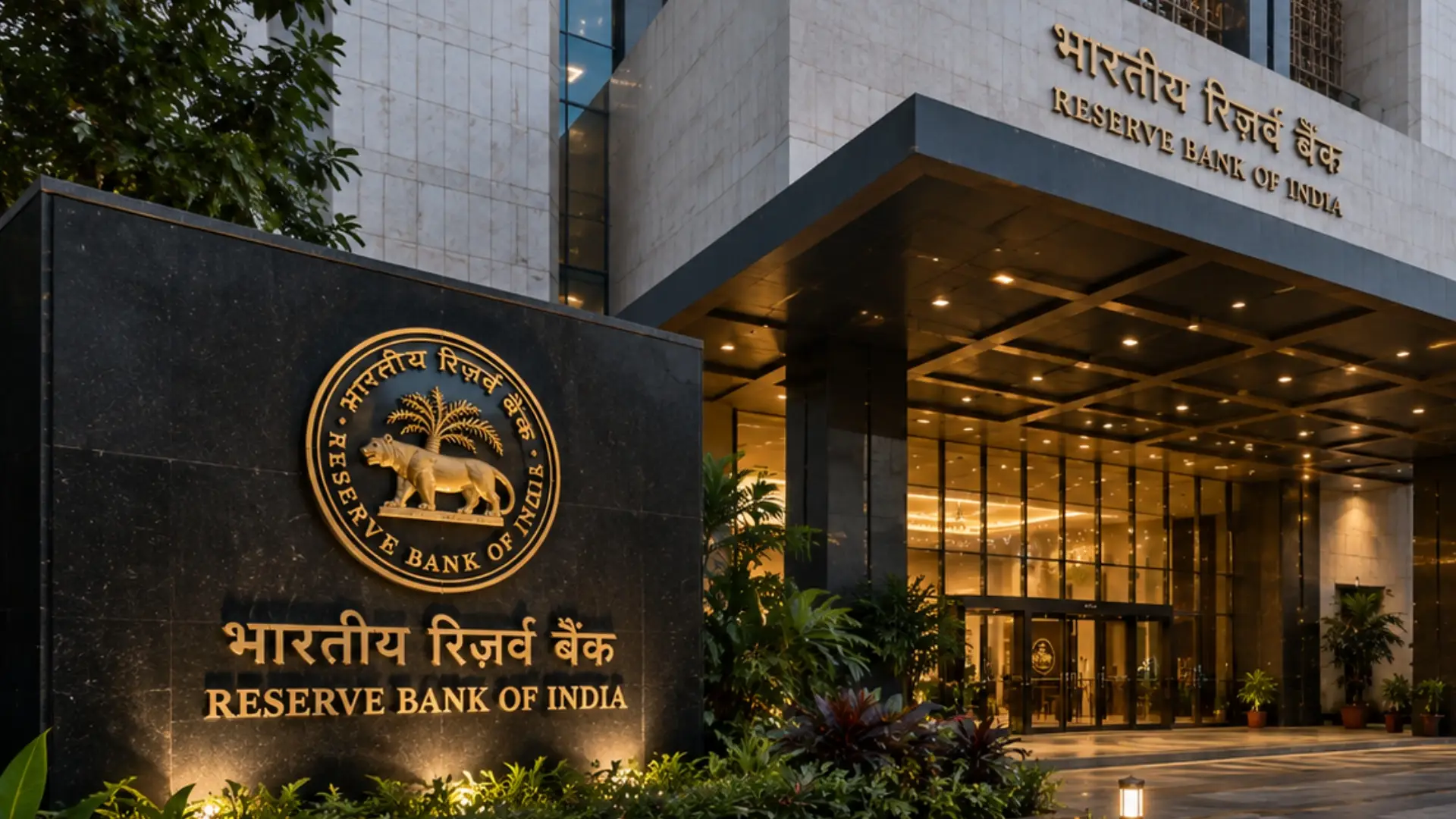
The Reserve Bank of India has launched a US dollar-rupee foreign exchange swap facility specifically for fresh Foreign Currency Non-Resident (Bank) deposits, marking a significant step in the central bank’s effort to attract foreign capital. The facility was operationalized following an announcement by RBI Governor Sanjay Malhotra during the monetary policy statement on June 5.
Under the new mechanism, authorised dealer category-I banks can sell US dollars to the RBI in multiples of $1 million while agreeing to repurchase the same amount at the swap period’s end. The transaction’s first leg executes at the FBIL Reference Rate on a spot basis, with the reverse leg occurring at the identical exchange rate. This par swap structure effectively eliminates hedging costs for participating banks.
The facility applies to fresh FCNR(B) deposits with maturities ranging from three to five years, mobilized in any freely convertible currency between the circular’s date and September 30, 2026. While swaps with the RBI will be conducted exclusively in US dollars, banks can access the window once weekly. The swap facility remains open until October 16, 2026, with underlying deposits subject to a mandatory one-year lock-in period. Swaps cannot be cancelled once initiated.
The RBI also exempted eligible FCNR(B) deposits from cash reserve ratio and statutory liquidity ratio requirements, providing banks greater flexibility in deploying the funds. This measure forms part of a broader package unveiled alongside the June 5 policy decision, in which the RBI maintained the repo rate at 5.25 percent.
The central bank simultaneously introduced a concessional forex swap facility for external commercial borrowings by public sector undertakings at a fixed rate of 1.5 percent annually. This facility covers ECBs with average maturities of three years or more drawn down through December 31, 2026. The Indian government complemented these steps by removing capital gains and interest income taxes on government securities for foreign institutional investors, applied retrospectively from April 1, 2026.
Bankers and economists anticipate the measures will channel substantial foreign currency inflows into India’s banking system. Gaura Sen Gupta, chief economist at IDFC First Bank, estimated FCNR(B) deposits alone could attract up to $40 billion. Madhavi Arora, chief economist at Emkay Global Financial Services, projected combined inflows of $30 to $40 billion through FCNR(B) deposits and ECBs. MUFG Research estimated total inflows could reach $50 billion if India gains inclusion in the Bloomberg Global Aggregate Index as an indirect result of the reforms.
Read Article: Amazon Sets Record With C$14 Billion Canadian Bond Sale Amid AI Push